English
 العربية
 Nederlands
 Français
 Deutsch
 Italiano
 日本語
日本語 한국어
한국어 Polski
 Português
 Русский
 Español




Effectively cooling high-density computing components within the strict 1.75-inch height limit of a 1U chassis requires a meticulous enclosure design strategy. Mastering directed airflow, high static pressure optimization, and custom material heat dissipation is entirely non-negotiable for preventing thermal throttling and ensuring long-term server reliability.
The Extreme Pain Point: Trapped Heat in a High-Density Layout
For data center architects, telecom engineers, and hardware integrators, packing maximum processing power into the smallest possible rack space is the ultimate objective. However, this high-density ambition brings forth a silent, critical enemy: extreme internal heat. When you deploy dual high-TDP (Thermal Design Power) processors, intensive NVMe storage arrays, and robust networking cards into a low profile server case, you essentially run the risk of creating a confined, super-heated "pizza box" oven.

The core of this challenge stems directly from the immutable physical constraints of the 1U rack form factor. Measuring exactly 1.75 inches (44.45 mm) tall, standard tower CPU heatsinks and massive, quiet 120mm cooling fans are completely out of the question. Instead, thermal survival relies strictly on high-RPM 40mm server fans aggressively pushing air horizontally from the front bezel through to the rear exhaust. If the internal architectural layout is poorly mapped, even a single stray wire harness can cause severe airflow impedance. This turbulence creates localized "hot spots," ultimately leading to sudden CPU thermal throttling, degraded performance, or catastrophic hardware burnout.
Key Physics of a Thermal Design Enclosure
To overcome these airflow bottlenecks, designers must look deeply into internal thermal dynamics. A high-performance thermal design enclosure goes beyond simply punching a few holes in a metal box. It requires a precise balance of CFM (Cubic Feet per Minute) and static pressure. Because 1U servers lack vertical breathing room, internal 40mm fans must spin incredibly fast—often upwards of 15,000 RPM—to generate sufficient static pressure. This pressure acts as a brute-force wind tunnel to drive cool air through tightly packed copper heatsink fins and RAM channels.
Thermal Performance Constraints by Server Form Factor
| Server Form Factor | Max Fan Size Available | Cooling Mechanism | Typical Heat Challenge | Airflow Static Pressure Needed |
|---|---|---|---|---|
| 1U Rackmount | 40mm | Horizontal High-RPM Airflow | Extreme (Immediate throttling risk without optimization) | Very High |
| 2U Rackmount | 80mm | Horizontal Mid-RPM Airflow | Moderate (Allows for taller, passive heatsinks) | High |
| 4U / Tower Server | 120mm+ | Multi-directional / Vertical | Low (Ample volume for internal air expansion) | Low to Medium |
Solving the Design Dilemma with Precision Engineering
Imagine you are deploying a next-generation edge computing node or a localized industrial controller. You require an enclosure that universally fits standard 19-inch racks, but your proprietary, custom-built motherboard features unique, high-power chipsets that standard off-the-shelf casings fail to cool. Generic, pre-stamped venting holes simply will not align correctly with your custom hardware layout, meaning your crucial 40mm fans are pushing air into dead zones rather than over your processors.

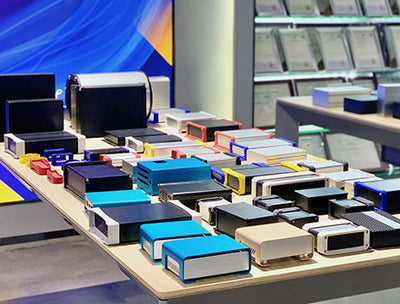
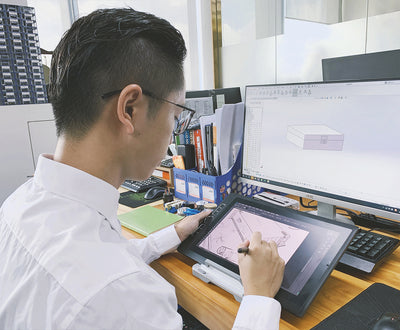
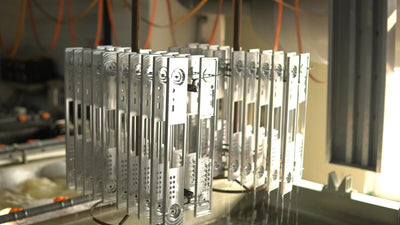
This exact technical hurdle is where specialized, precision-engineered metalworking transitions from a luxury to a strict necessity. By exploring a dedicated 1U server case, you can dictate exactly how airflow navigates your system. Specifically, the Standard 19-inch 1U Chassis from YONGU is crafted specifically for these demanding scenarios. Built with premium materials that naturally facilitate passive thermal distribution, YONGU provides top-tier structural integrity. The true game-changer is their flexible, CNC custom manufacturing service. This empowers integrators to position precision-cut front intakes, rear exhaust grilles, and mounting standoffs exactly where the hardware dictates—effectively eliminating thermal choke points, minimizing turbulent drag, and extending the lifespan of your heavy-duty tech investments.
Frequently Asked Questions (FAQ)
1. Why is cooling notably difficult in a 1U rackmount chassis?
A 1U rackmount chassis presents strict space limitations (1.75 inches in height), effectively banning large fans and tall CPU coolers. Air must be aggressively forced front-to-back using smaller, highly specialized 40mm fans, making unimpeded internal airflow channels critical to prevent localized heat buildup.
2. What are the material benefits of a high-quality low profile server case?
Premium enclosures utilize high-grade aluminum and specialized steel that provide vastly superior thermal conductivity compared to cheap tin or plastics. In a low profile server case, the entire metal chassis can act as a supplementary, passive heat sink to help dissipate ambient temperatures into the server rack environment.
3. How can a customized thermal design enclosure improve hardware longevity?
Customized CNC panel cutouts allow a thermal design enclosure to precisely match your internal layout. By placing vent holes directly in line with specific CPU and RAM layouts, you create perfect push-pull wind tunnels, dropping temperatures significantly and delaying silicon degradation over time.
Optimize Your Server Architecture Today
Never let inadequate structural housing throttle your networking performance or cause catastrophic hardware failures. Safeguard your data center investments by utilizing precisely mapped, industrially strong chassis built to command maximum airflow and dissipate severe heat loads. Ready to customize the perfect foundation for your next telecom or edge-computing project? Contact us at YONGU today to discuss your exact thermal management specifications and discover how our bespoke 1U chassis manufacturing can elevate your technological deployment!