English
 العربية
 Nederlands
 Français
 Deutsch
 Italiano
 日本語
日本語 한국어
한국어 Polski
 Português
 Русский
 Español




In the rapidly evolving telecommunications industry, the physical housing of testing equipment is just as critical as the internal hardware. This case study details the comprehensive industrial and structural design project for a , developed for a Top-5 publicly list ed technology company in Wuhan. The project focused on creating a next-generation housing for an Optical Time Domain Reflectometer (OTDR) that solves persistent industry challenges.
1. Custom Portable Instrument Enclosures:Project Background and Industry Pain Points
The client required a customized enclosure for their new modular optical communication detector. Historically, field engineers in the optical network sector have faced several core pain points with legacy equipment:
- Excessive Weight & Fatigue: Traditional metal casings provide durability but make the device too heavy for prolonged one-handed operation, especially when engineers are climbing utility poles or navigating tight server rooms.
- Cumbersome Modularity: Existing devices often require tools (screws) to change testing modules in the field. This leads to lost parts, wasted time, and potential dust/moisture ingress during the swap.
- Inadequate Drop Protection: High-precision optical components are extremely fragile. A single drop from a server rack or a slip from a muddy surface often results in catastrophic equipment failure.
- Poor Ergonomics in Complex Environments: Engineers need to operate the device while standing, squatting, or hanging. Legacy brick-like designs lack ergonomic grips, kickstands, or secure strap attachments, making hands-free operation nearly impossible.
Core Objective: Deliver an ergonomic, lightweight (under 1.5kg including battery), and rugged custom testing equipment enclosure featuring a 7-inch outdoor-readable screen and a tool-less quick-release mechanism for four hot-swappable modules.
2. Market Analysis & User Profiling
To ensure our portable detector casing design outpaced the competition, we analyzed industry leaders (EXFO, VIAVI, YOKOGAWA) alongside a deep dive into user behavior.

| Competitor Analysis | Design Strengths | Identified Weaknesses |
|---|---|---|
| EXFO MAX-FIP | Good side grip, wearable strap options | Bulky plastic feel, lacks modular flexibility |
| VIAVI OneAdvisor-800 | Soft TPU edges for drop protection | Overly rounded design lacks a professional, precision instrument aesthetic |
| YOKOGAWA AQ7280 | Extremely rugged, industrial look | Heavy, rigid lines cause user fatigue during long shifts |
User Persona & Environment: End-users are predominantly male telecom engineers working in highly variable environments—from pristine data centers to rainy, muddy construction sites. They require equipment that can be tossed onto the ground, hung from a belt, or propped on a desk without a second thought.


3. Strategic Synthesis: How We Solved the Pain Points
Based on the market gaps and user challenges, our design team established a clear problem-solving strategy. We needed to transition the product from a traditional "clunky tool" to a "professional, smart testing instrument." Here is how we translated research into actionable design:
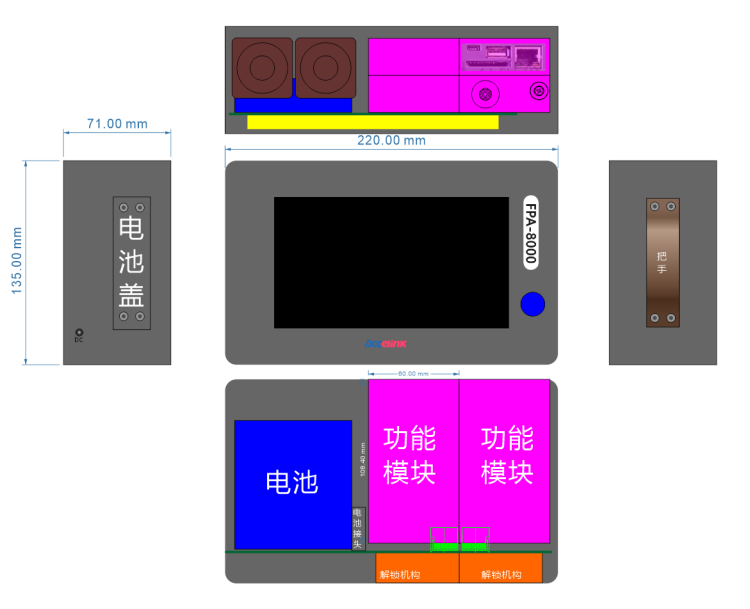
- Solving the Weight/Durability Paradox: We utilized a hybrid material strategy. Instead of an all-metal or all-plastic body, we designed a lightweight inner structural chassis (aluminum alloy) wrapped in a shock-absorbing soft TPU/rubber outer shell. This ensures military-grade drop protection while keeping the total weight under the strict 1.5kg limit.
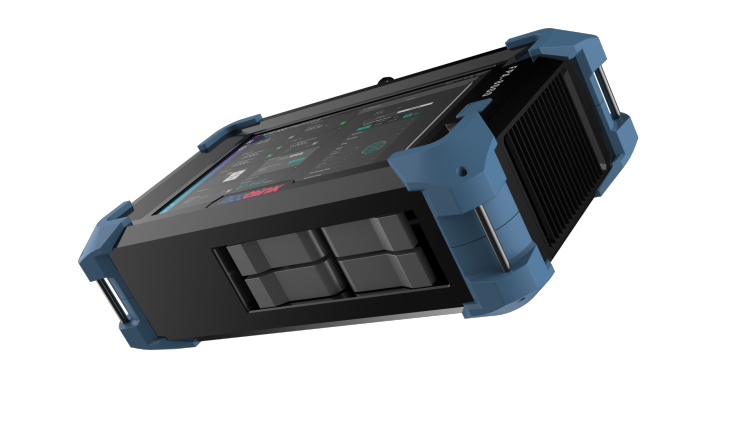
- Solving the Modularity Nightmare: We engineered a proprietary mechanical unlocking mechanism. This allows users to quickly snap the 4 functional modules and the battery pack in and out of the rear backplate with a single hand, without any screws, streamlining field operations.
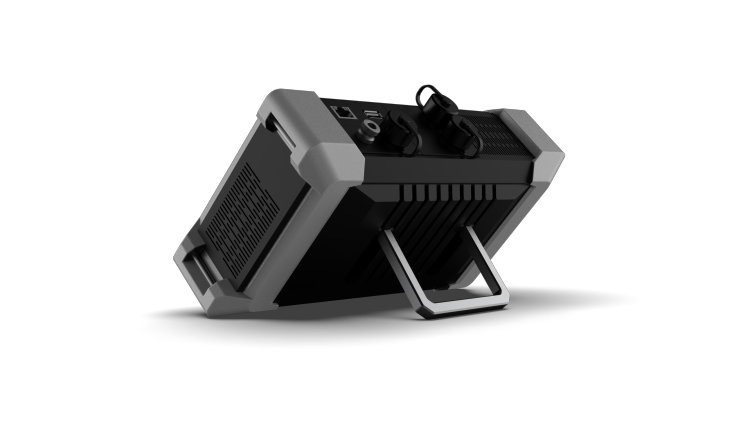
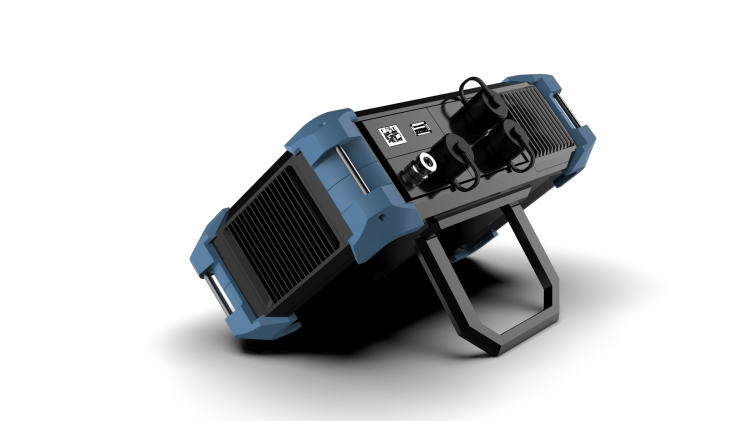
- Solving Ergonomic Challenges: We integrated a multi-angle rear aluminum kickstand, top-mounted interfaces to prevent cable strain, sculpted side grips for secure one-handed holding, and reinforced corner loops for a rugged shoulder strap.
4. Innovative Design Solutions (3 Proposals)
To give the client strategic options based on their brand positioning, we developed three distinct design proposals for the rugged OTDR housing:

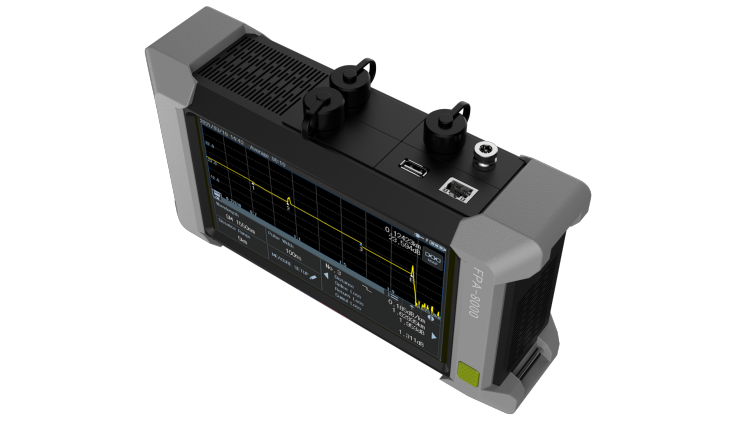
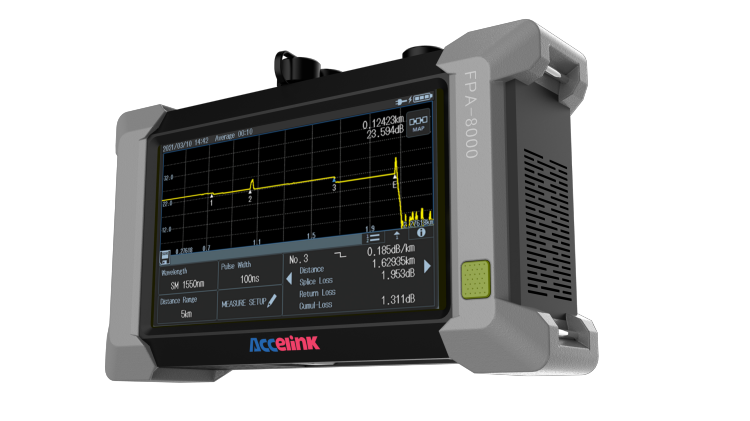
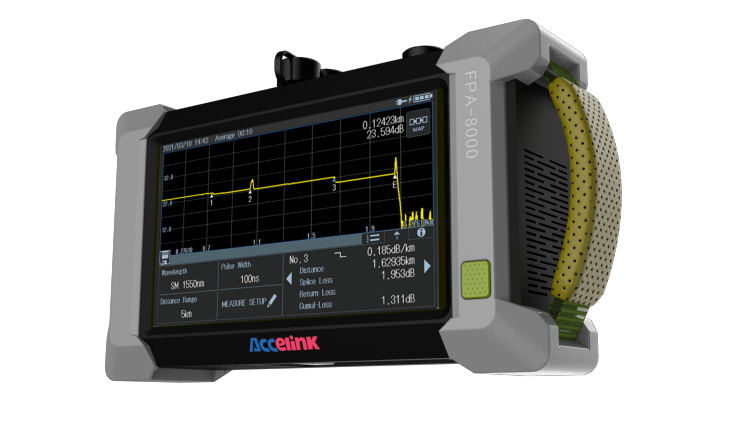
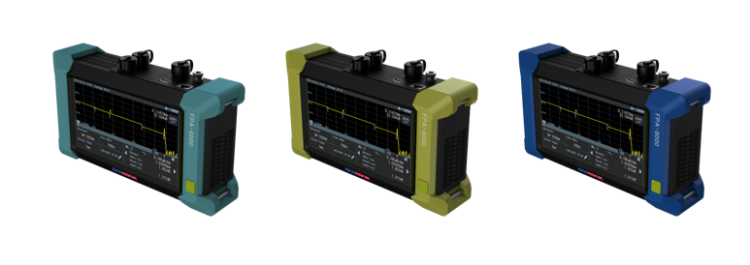
Proposal A: The "Corporate SUV" (Minimalist & Professional)
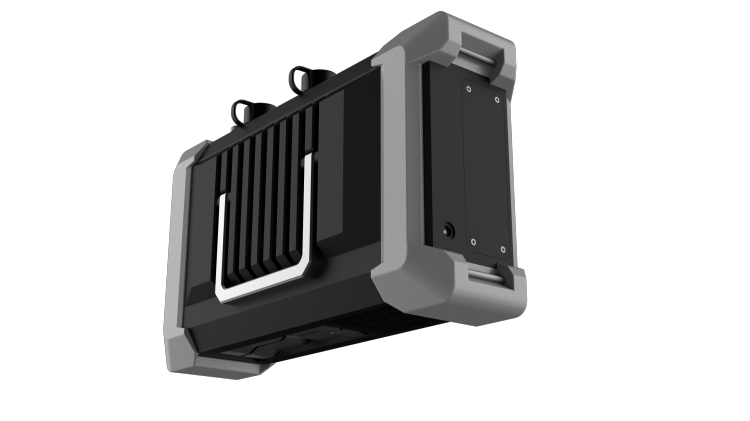
Design Rationale: Inspired by the sleek yet capable lines of modern luxury off-road SUVs (like the Hummer EV), this design features clean, large geometric surfaces.

Advantages & Solutions: The minimalist block-surface design reduces crevices where dirt and mud can accumulate, making it exceptionally easy to clean after outdoor use. It strikes a perfect balance—looking rugged enough for the field, yet sophisticated enough to sit on a boardroom table when presenting data to stakeholders.
Pain Point Addressed: Elevates the brand image from a generic "hardware vendor" to a premium "smart solutions provider," increasing perceived value.
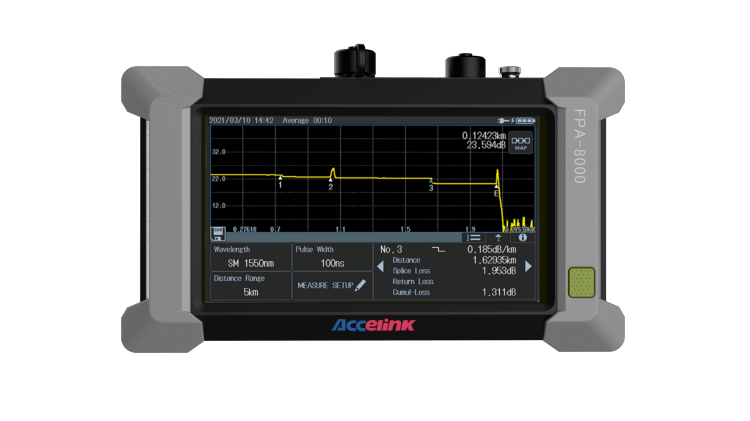
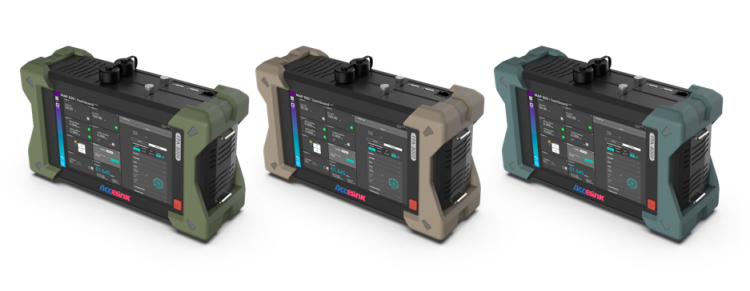
Overall Display & Component Details of Solution A for Portable Detector Casing
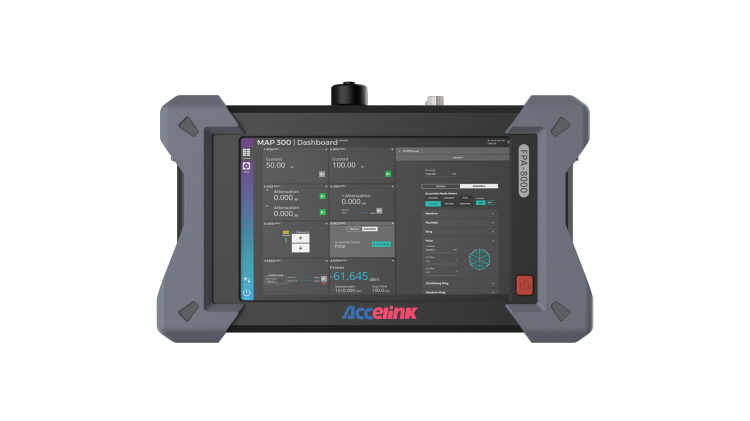
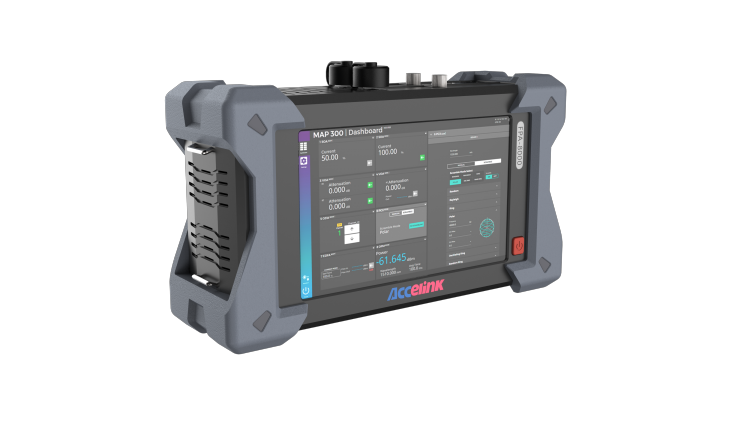
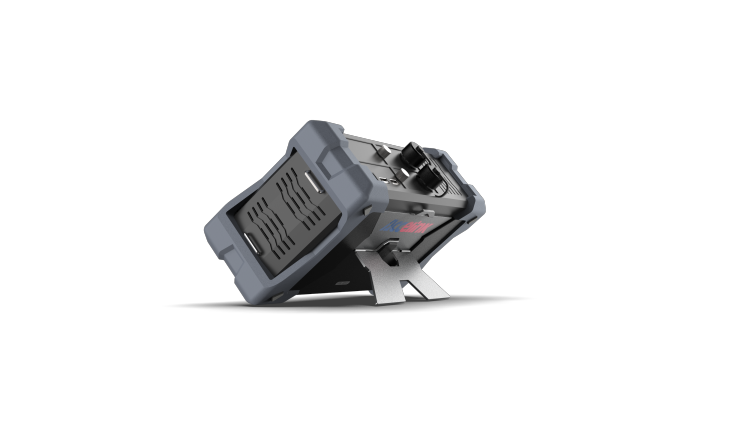
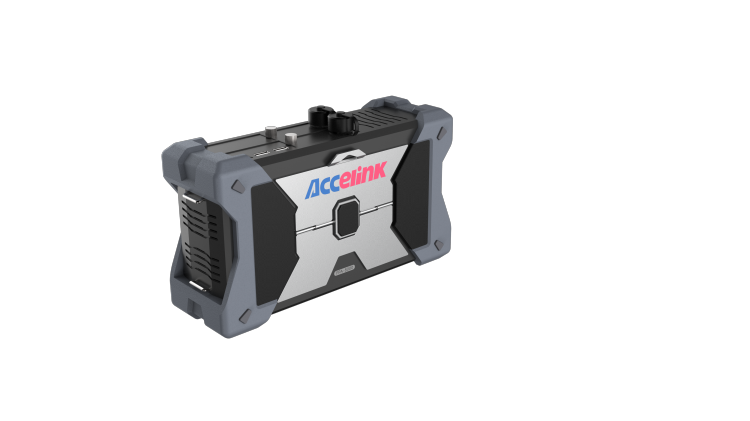
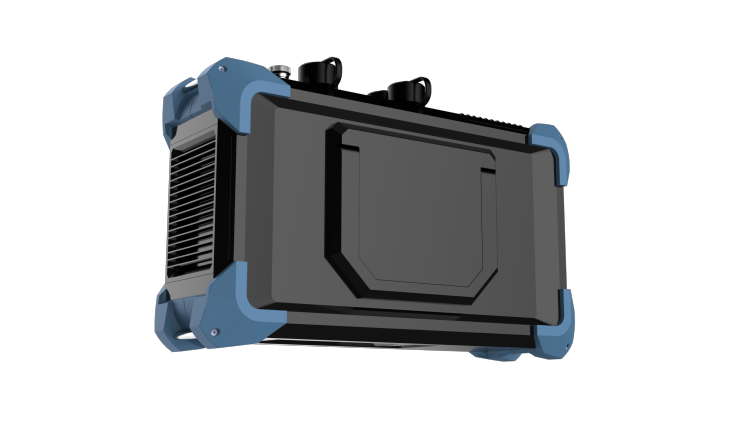
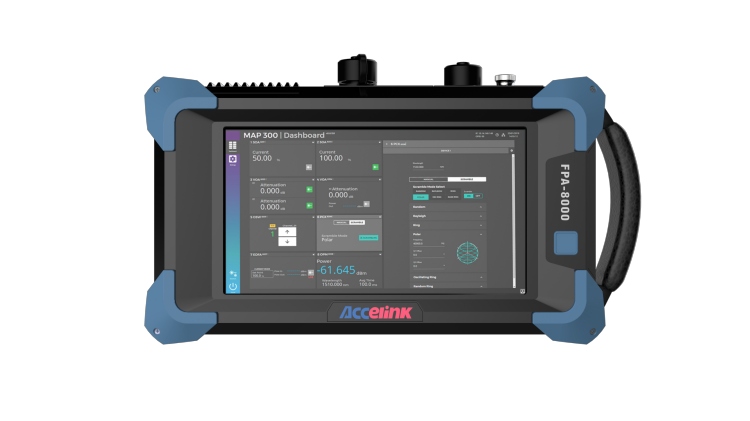
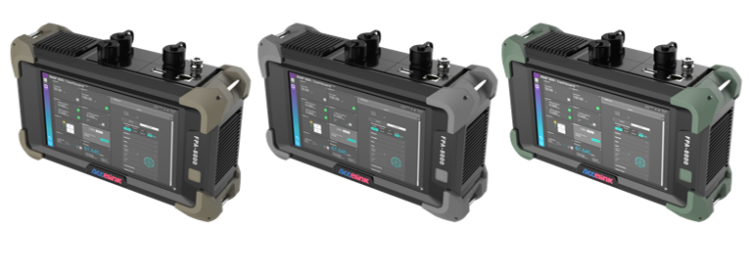
Proposal B: The "Tactical Shield" (Rugged & Reliable)
Design Rationale: Drawing visual cues from tactical military gear and extreme sports protective wear (like American football shoulder pads), this design utilizes bold, aggressive lines and thick corner bumpers.
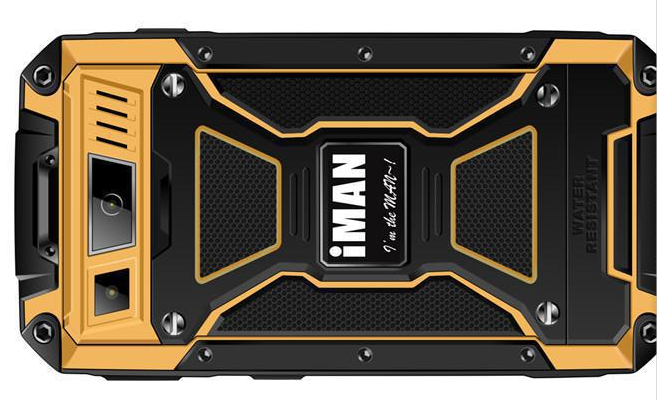
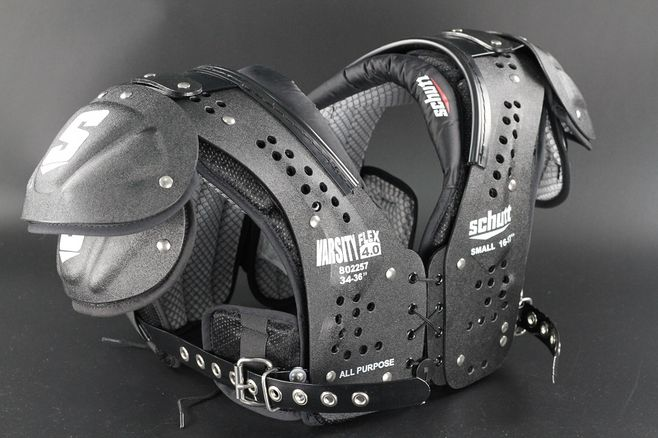
Advantages & Solutions: By maximizing the surface area of the soft rubber wrapping and employing an industrial color palette (high-visibility accents mixed with dark tones), it visually communicates absolute indestructibility. The exaggerated side grooves provide superior grip even when the user is wearing thick protective gloves.
Pain Point Addressed: Directly targets the anxiety of dropping and breaking expensive optical sensors, offering ultimate peace of mind for linemen working in hazardous environments.
Overall Display & Component Details of Solution B for Portable Detector Casing
Proposal C: The "Future Warrior" (Futuristic & Sharp)
Design Rationale: Inspired by sci-fi aerospace vessels and stealth geometry, this proposal uses sharp, intersecting, aerodynamic lines to create a highly futuristic and avant-garde appearance.
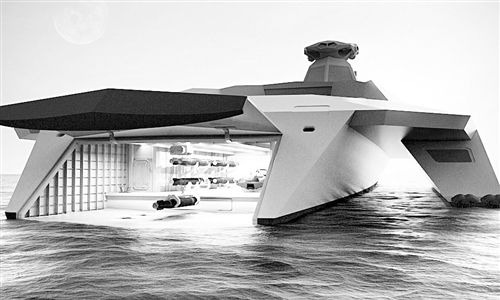

Advantages & Solutions: It completely breaks away from the boring, boxy legacy designs of the telecom industry. It signals a leap forward in technology, aligning the physical casing with the advanced software and fast processing speeds inside the detector.
Pain Point Addressed: Solves brand stagnation. In a saturated market, this design acts as a powerful marketing tool, capturing the attention of the younger generation of tech-savvy engineers and making the device highly recognizable on work sites.
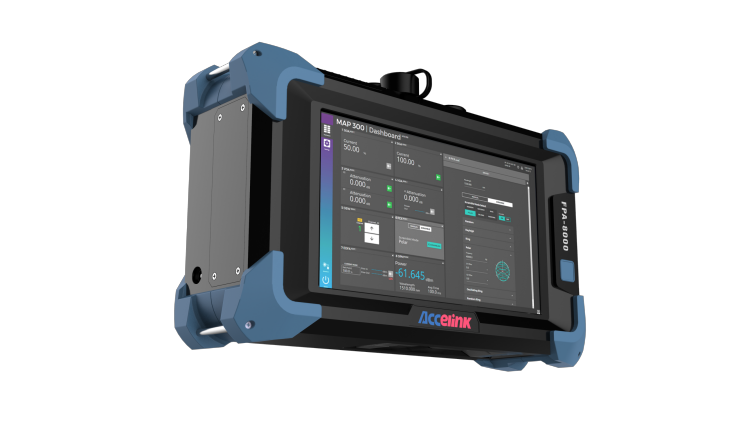
Overall Display & Component Details of Solution C for Portable Detector Casing
5. Tangible Business Impact & Performance Data
The client selected a finalized design derived from these strategic proposals. The new custom portable testing equipment housing delivered measurable improvements in both user experience and market performance:
| Performance Metric | Previous Generation | New Custom Enclosure | Business Impact |
|---|---|---|---|
| Overall Weight (w/ Battery) | 1.85 kg | 1.42 kg | 23% lighter, significantly reducing field worker fatigue and improving one-handed operation. |
| Drop Test Survivability | 1 meter (Concrete) | 1.5 meters (Concrete) | 50% increase in drop tolerance, drastically lowering RMA (Return Merchandise Authorization) warranty costs. |
| Module Swap Efficiency | 45 seconds (tool required) | 8 seconds (tool-less) | 82% faster on-site configuration, boosting daily testing throughput for telecom operators. |
| Market Share (Post-Launch) | Baseline | +18% Sales Growth YoY | The ergonomic and premium design became a key differentiator, helping secure major B2B procurement contracts. |
Conclusion
Whether creating an aluminum enclosure for optical network testers or a ruggedized hybrid casing for field instruments, successful industrial design is about solving real human problems. By thoroughly understanding the extreme environmental challenges and ergonomic pain points of telecom engineers, we transformed a basic utility requirement into a highly desirable, modular, and protective asset. This custom design not only protected sensitive internal components but also significantly elevated the client's brand authority in the global optical communication market.